
Elsmere drivers call us for a lot of the same reasons anyone calls a mechanic. A car that won't crank in the morning. A tire that is losing air faster than it should. Brakes that feel soft or grind when you press them. We also get calls about electrical gremlins, the kind where something works sometimes and not other times, which is its own special headache to chase down. These problems rarely show up at a convenient moment. They show up on the way to work, in a cold driveway, or in the middle of a grocery run. Whatever it is, the goal is the same. Figure out what is actually wrong, not just what seems wrong, and fix that part instead of guessing and hoping.
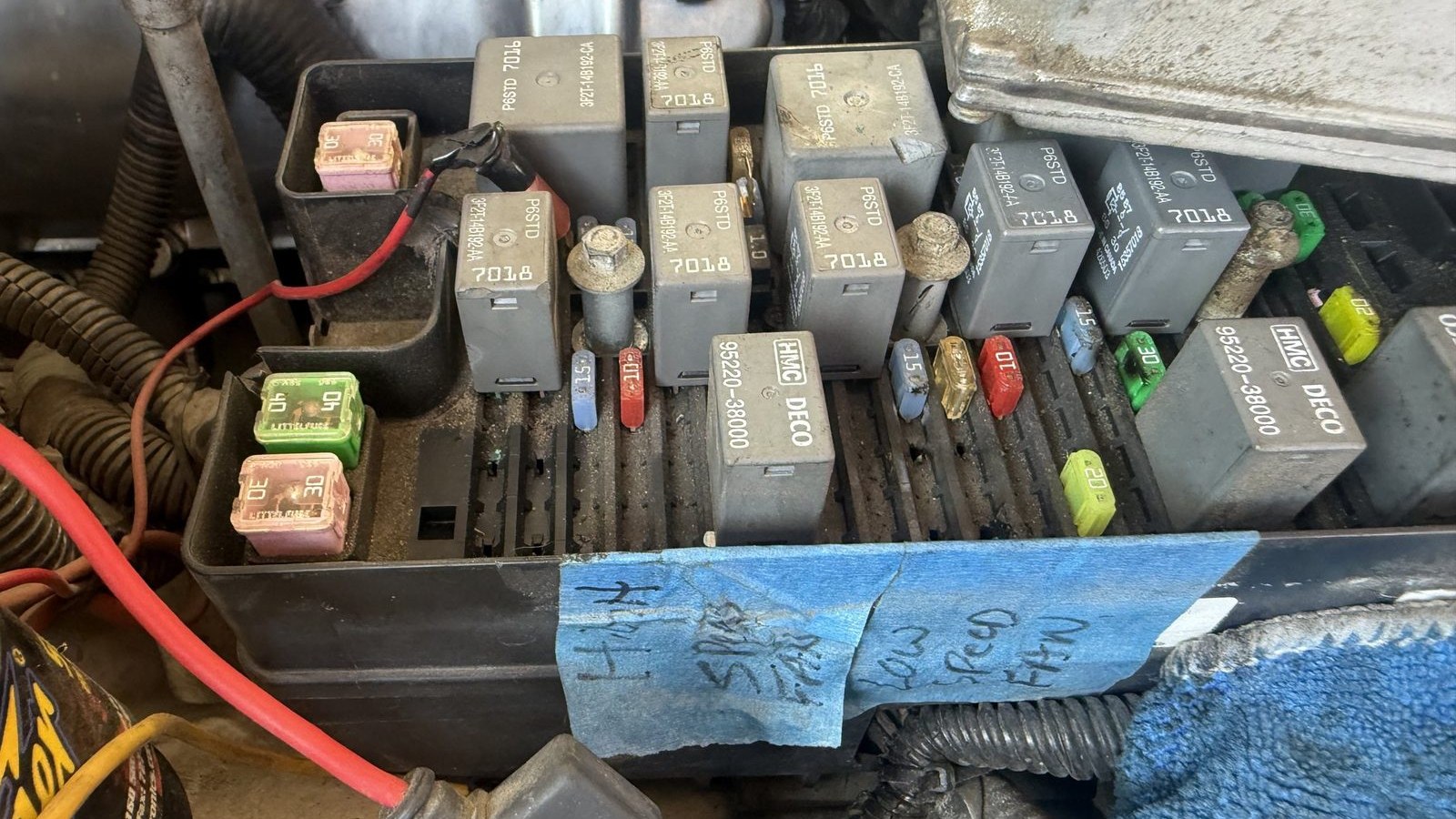
A dead crank usually points to the battery, the starter, or a loose connection somewhere in between. A tire losing air could be a slow leak from a nail, a bad valve stem, or a crack forming in the sidewall. Soft or grinding brakes often mean the pads are worn down to metal, or there is air or a leak in the brake line. Electrical issues are trickier because they hide. A wire can be fine when it is cold and loose when it heats up, or only act up when the car hits a bump. That is why we take the time to actually test things instead of swapping parts at random.

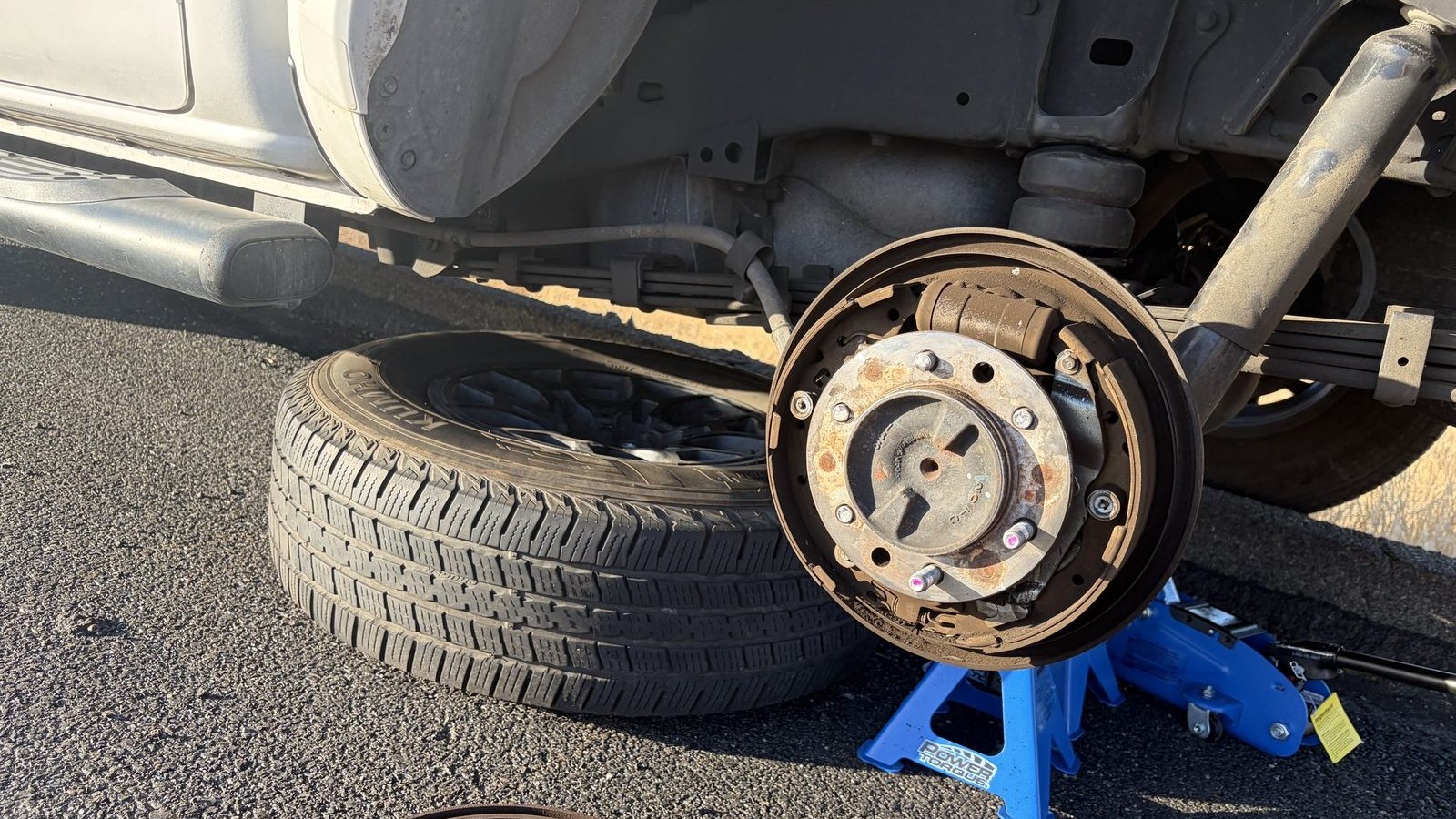
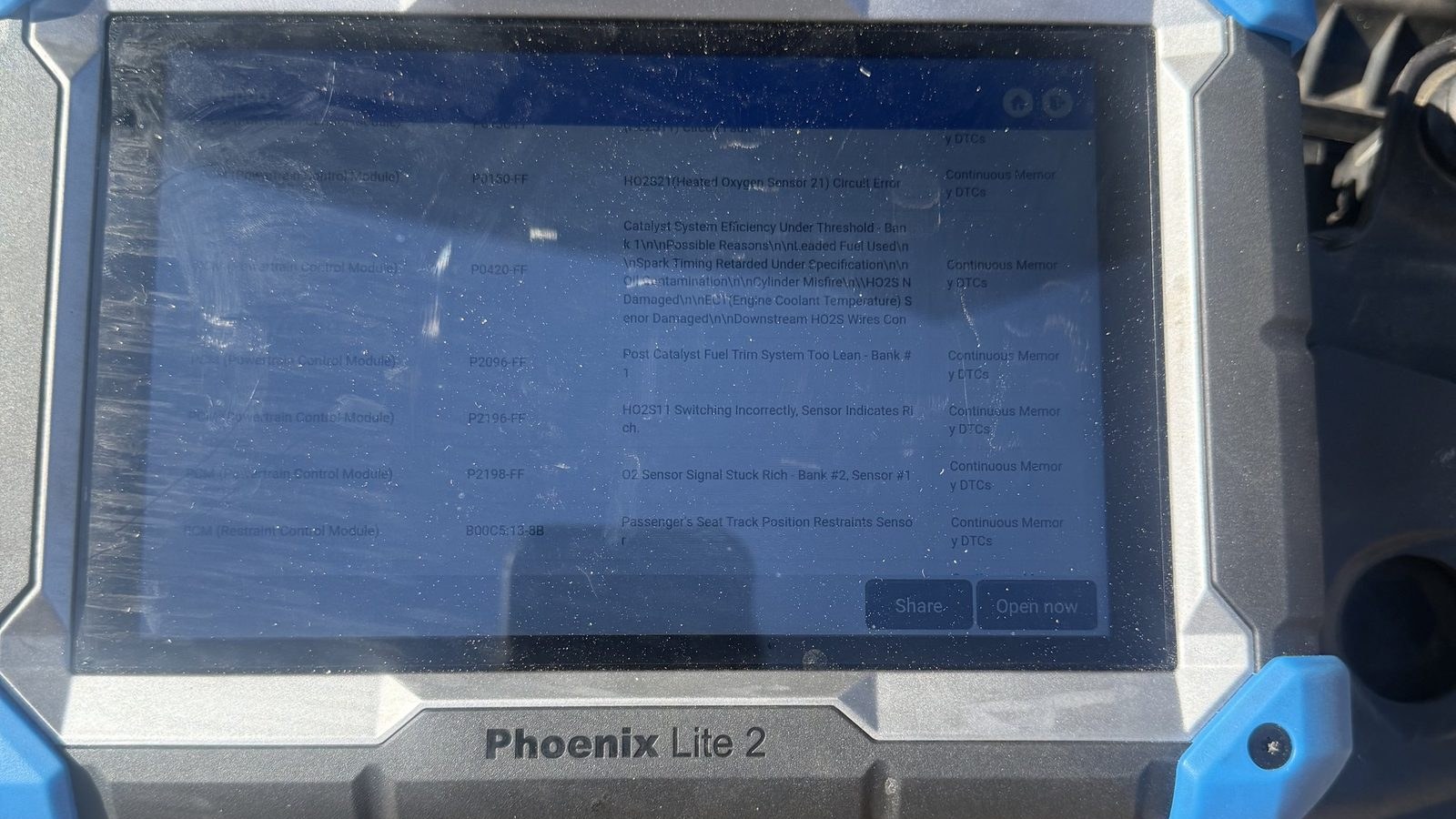
Our work covers oil changes, brake service, suspension and steering, heating and A/C, electrical troubleshooting, and full engine diagnostics. Oil changes keep the engine from wearing itself out from the inside, since old oil loses its ability to protect moving parts. Suspension and steering work covers the parts that keep the car stable and pointed where you steer it, things like struts, ball joints, and tie rods that wear out slowly until one day the car feels loose or pulls to one side. Heating and A/C gets attention when the cabin stops cooling or stops warming up, which often comes down to refrigerant, a blower motor, or a stuck control. Diagnostics is how we read the codes a car's computer stores and figure out what they actually mean for your specific vehicle.
We also handle tire service and towing, so whether the issue is something small or the car needs to be hauled in, we can take care of it. Tire service covers more than just filling air. It means checking tread wear, looking for damage, rotating tires so they wear evenly, and replacing ones that are past the point of being safe on wet roads. Towing matters most when a car simply cannot be driven, whether that is a blown tire, a dead engine, or a transmission that will not shift. Being able to offer both means a problem that starts as a flat tire does not turn into a bigger ordeal just because the car cannot make it to a shop on its own.
Being open 24 hours means Elsmere drivers are not stuck waiting for a weekday nine to five slot. Car trouble does not check a calendar. A battery can die at midnight before an early shift. A belt can snap on a Sunday drive. Having round the clock availability means those situations do not have to turn into a long wait just because of what day or hour it happens to be. It also means the kind of ongoing electrical or mechanical issue that only shows up at certain times of day, like a cold start problem or something that only acts up at night, can actually get looked at while it is happening instead of after the fact.
We can meet the car at home, at work, or on the roadside if it broke down mid-drive. A lot of car trouble does not happen conveniently near a repair shop, so we built our setup to come to where the car actually is, rather than making that part your problem to solve first. This matters most when the car genuinely cannot move, like a seized engine, a dead battery with no jump available, or a tire shredded on the highway shoulder. Coming to the car also helps with diagnosing problems that depend on conditions, since a mechanic seeing how the car is parked, what the weather is like, or what noise it is making right then often picks up details that get lost once the car is towed somewhere else.
When you call, give us the basics. Where is the car, what is it doing, and when did you first notice it. If there is a warning light on the dash, let us know which one or send a picture. That detail alone can narrow things down fast, since a check engine light, a battery light, and a temperature light all point toward very different problems. Mentioning when the issue started, whether it was sudden or has been getting worse, also helps separate something minor from something that needs attention right away. The more specific the information, the better we can show up with the right tools and the right idea of what we are walking into, instead of guessing on the way over.

 Supercanic