
The calls from Lakeside Park tend to follow a pattern. Something feels off in the steering or suspension, maybe a wander on the road or a pull to one side that wasn't there before. There's a grinding sound coming from the brakes, the kind that gets louder every time you slow down at a stop sign. Or the check engine light turns on and nobody knows why, which is never a fun thing to see on your dash in the middle of a drive. We also hear from people dealing with a dead battery, a car that clicks but won't crank, or a tire that's gone flat right when they needed to leave for work or school pickup. None of these problems wait for a convenient time, so we're used to hearing about them as they happen.
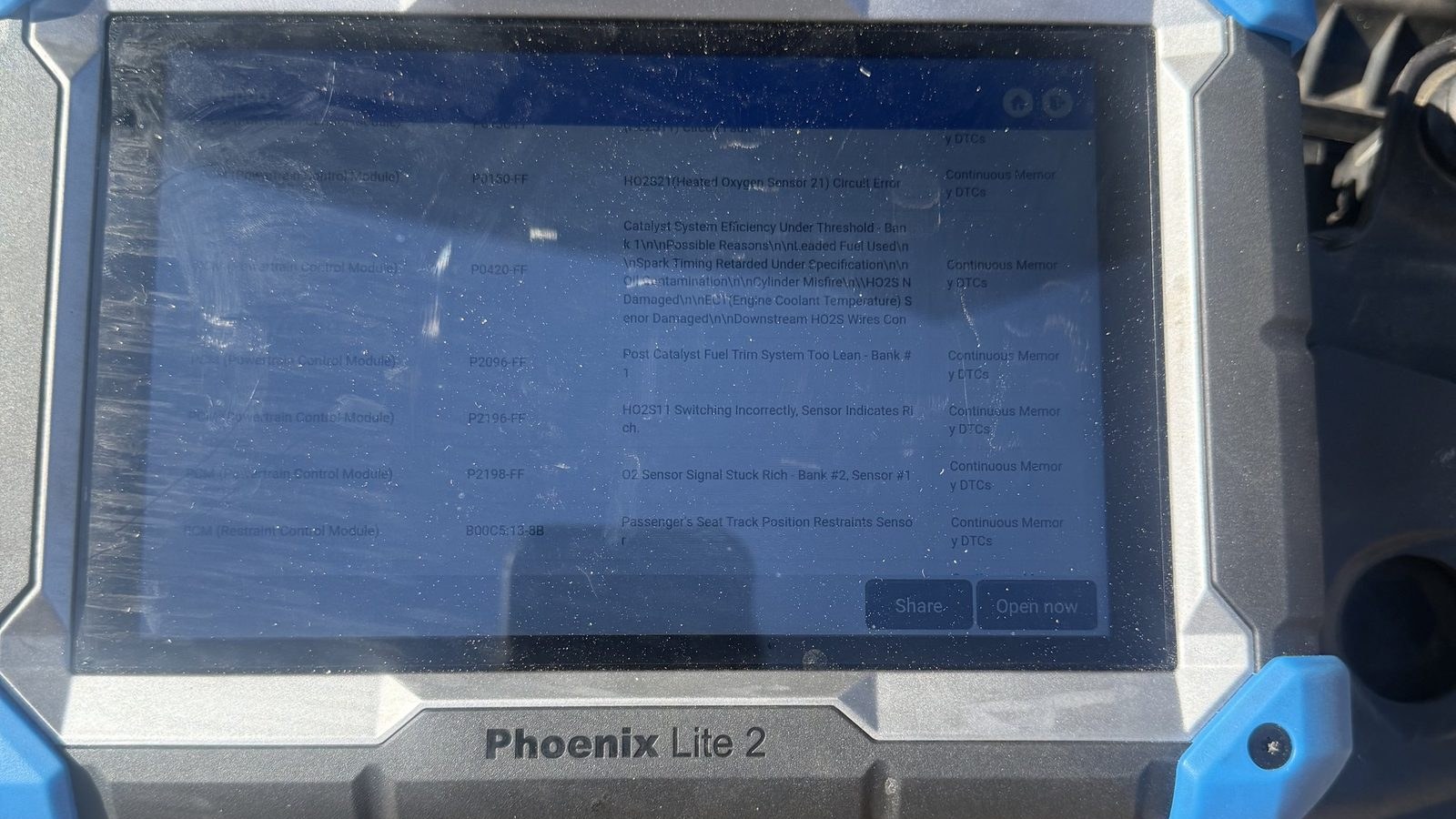
From there, we do the actual work needed to fix it. Brake service covers the pads, rotors, and lines that let you stop safely, and that grinding noise usually means metal on metal, which isn't something to put off. Engine diagnostics means hooking up to the car's computer to figure out what triggered that warning light instead of guessing. Oil changes keep the engine lubricated so parts aren't wearing against each other dry. Suspension and steering repairs address the parts that keep your car stable and pointed where you steer it. Heating and A/C fixes matter whether it's summer heat or winter cold, and electrical troubleshooting covers everything from a dead battery to wiring that's gone bad. If the car isn't drivable at all, we also offer towing to get it where it needs to go.

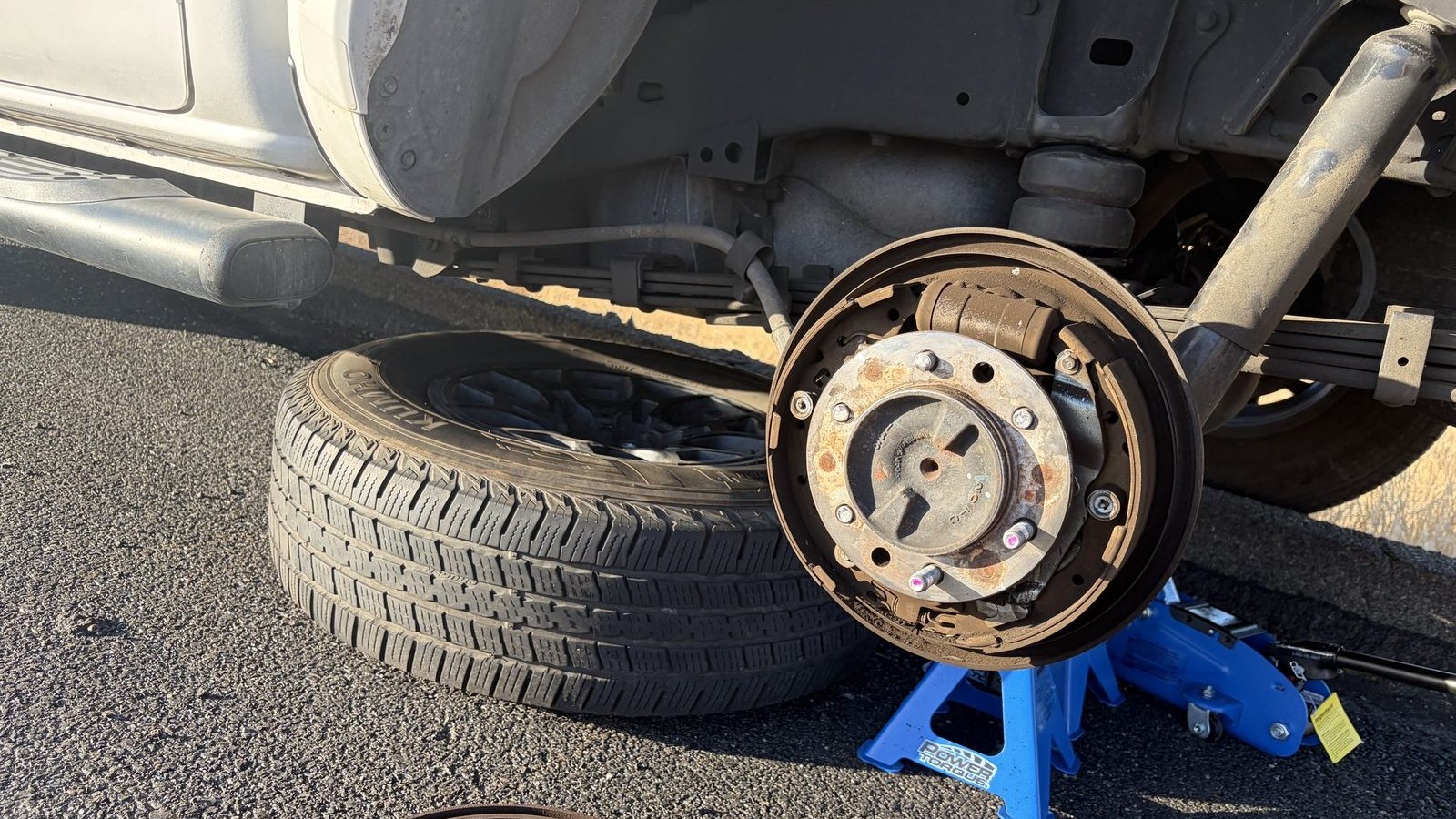
We come to where the car is when that's the right call, whether that's your house or wherever you're parked in Lakeside Park. A lot of smaller jobs, like a dead battery or a flat tire, don't need a shop bay at all. A mobile mechanic can handle those right where the car sits, which saves you the trouble of getting it moved in the first place. If the problem is bigger, like a brake job that needs a lift or diagnostics that call for more equipment, the car might need to come to us instead. If the car needs to be moved and can't be driven safely, we can tow it in rather than risk making the problem worse on the road.
We decide the approach based on what's actually wrong with the car, not a one size fits all rule. A flat tire on the side of the road is a different situation than a transmission that's slipping or an engine that's overheating. Some problems are safe to drive on for a short distance, and others mean the car shouldn't move another foot. That's part of why we ask questions upfront, so we can figure out whether a mobile repair on the spot makes sense or whether towing is the smarter move. Either way, the goal is getting your car looked at by someone who can actually diagnose the issue instead of guessing over the phone.
When you reach out, give us the year, make, and model, plus what the car is doing. That information helps narrow down what's likely going on before anyone even looks at the car. A grinding noise when braking points somewhere different than a clunk over bumps or a whine from under the hood. Mention any noises, smells, or warning lights, since those details often tell us more than a general description like "it's not running right." A burning smell, a sweet smell, or a smell like rotten eggs each point to a different system entirely, and a mechanic who knows what to listen for can usually narrow things down fast.
Let us know if the car can still be driven or not, since that changes what happens next. A car that starts and runs but has a warning light on might be fine to bring in or have looked at on site. A car that won't start, is overheating, or has a brake problem that feels unsafe is a different story, and that's usually when towing becomes the better option. Driving a car that shouldn't be driven can turn a simple repair into a bigger one, so we'd rather know the real situation than have someone push a bad situation further down the road.
If you're not at home, tell us where to find you, whether that's a parking lot, a workplace, or somewhere along the side of the road in Lakeside Park. Cars don't break down on a schedule, and they definitely don't wait until you're parked in your own driveway. Giving a clear location, along with the year, make, model, and what the car is doing, helps us show up prepared for the actual problem instead of walking in blind. Whether it ends up being a quick fix on site or a tow back to the shop for closer diagnostics, having the details upfront makes the whole process smoother for everyone involved.

 Supercanic