
Every system in your car runs through wires, from the starter to the radio to the sensors that run the engine. Electrical problems usually come from one of three places, a battery or charging system that is not holding up, a corroded or loose connection, or a short where a wire is rubbing through its insulation and touching metal it should not. These problems are frustrating because the symptom can show up somewhere totally different from where the actual fault is. A dim dome light might actually be a bad ground. A radio that resets itself might point to a connection problem nowhere near the radio. That disconnect between symptom and cause is why electrical issues get misdiagnosed so often, and why guessing at parts rarely fixes anything for good.
Signs You Have an Electrical Problem
- Battery keeps dying even after a jump
- Dash lights flicker or dim when you turn on the AC or headlights
- Car clicks but will not crank
- Interior lights or power windows act up on their own
- Fuses keep blowing no matter how many times you replace them
- A burning smell with no clear source
We start with a full check of the battery and charging system, since a weak battery or bad alternator causes a lot of electrical complaints that look like something bigger. A battery that cannot hold a charge, or an alternator that is not putting out enough voltage, can cause flickering lights, slow cranking, or modules acting up in ways that look unrelated. From there we use a multimeter and wiring diagrams to trace circuits, checking voltage and resistance at different points until we find where the signal drops or the short lives. On newer cars we also plug in a scan tool to pull codes from the body control modules, which often point us toward the right area faster and narrow down which circuit or sensor is involved before we even start probing wires by hand.
Once we find the fault, the fix depends on what it is. A corroded connector might just need cleaning and sealing, which stops the resistance that was causing a weak or intermittent signal. A chewed wire or a chafed harness means repairing that section and protecting it with loom or tape so it does not rub through again down the road. A failing alternator or starter gets replaced outright, since those are wear parts that do not get better with cleaning. Blown fuses get replaced too, but only after we find out why they blew in the first place. A fuse is there to protect the circuit, so putting in a new one without fixing the underlying short just means it blows again, sometimes within minutes.

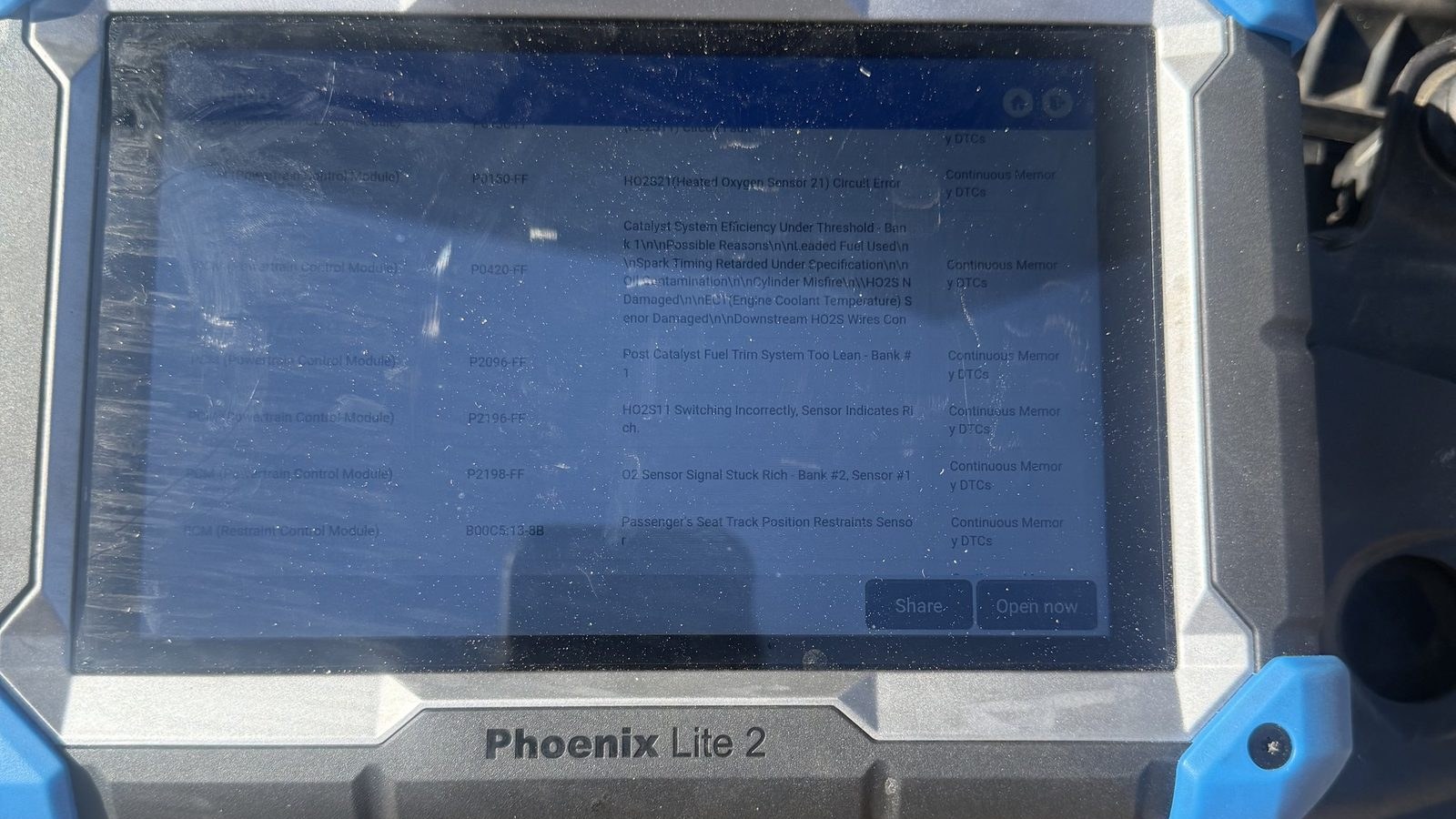
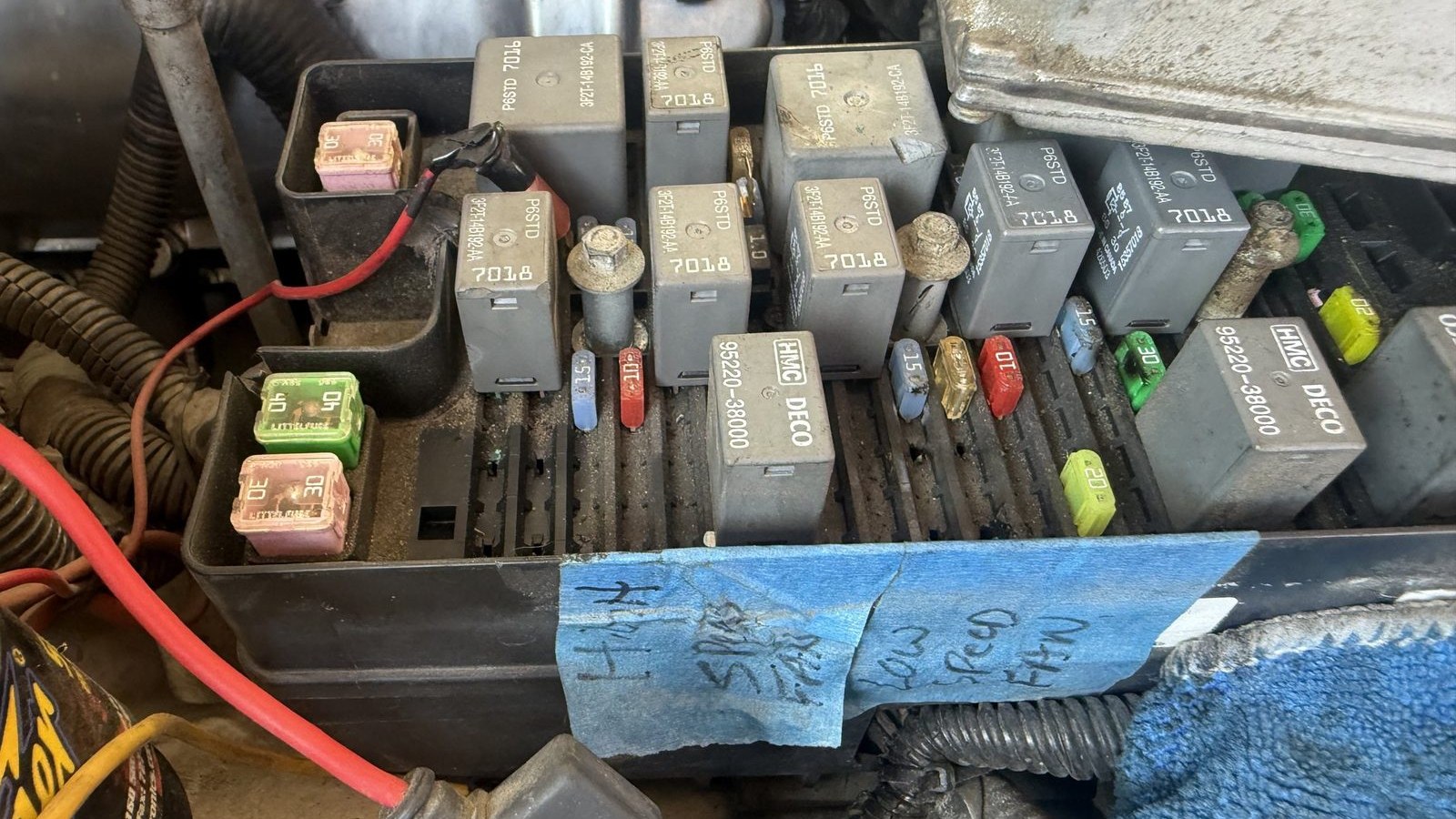
Electrical jobs vary a lot in size because tracing a short can take time, especially on an intermittent problem that only shows up when the car hits a bump or the weather changes. These are some of the hardest faults to catch because the wire might only touch metal under certain conditions, like when the suspension flexes or when moisture gets into a connector. A straightforward battery or alternator swap is quick, test it, confirm the charging numbers are right, and send the car on its way. A wiring short buried in a harness under the dash or in the engine bay takes longer to trace down, even though the actual repair once found might be small, sometimes just an inch of exposed wire needing a splice and some protective wrap.
Because intermittent electrical faults can hide for days before showing up again, we rely on patience as much as equipment. We check connectors for movement, wiggle harnesses while watching voltage readings, and look at wear points where a wire runs near a hinge, a pulley, or a sharp piece of frame. Chafing tends to happen in predictable spots once you know what to look for, like where a harness crosses a moving part or gets pinched behind a panel. Corrosion shows up most at battery terminals, ground straps, and any connector that sits low enough to catch road spray and salt. Knowing where these failures like to happen cuts down on guesswork and keeps us from chasing the wrong circuit.
We will keep you posted if a job turns out to need more digging than expected, since some shorts reveal themselves fast and others take real time to isolate. A single corroded ground wire can cause a dozen strange symptoms at once, flickering gauges, random warning lights, a radio that cuts out, so finding that one root cause can actually save going down a longer road of replacing parts that were never broken. We would rather spend the time tracing the actual fault than swap components one at a time hoping something sticks, because that approach usually costs more in the end and still leaves the real problem sitting there waiting to act up again.
If you are dealing with an electrical issue, try not to keep jumping the battery over and over or swapping fuses yourself without knowing why they blew. Repeated jump starts on a battery that will not hold charge can stress the charging system further, and replacing fuses blindly can mask a bigger problem. In a worst case, a wire shorting against metal can generate enough heat to start a fire, especially if it happens somewhere hidden like behind a panel or under carpet. Get it looked at, especially if you smell anything burning, notice a panel or wire warm to the touch, or see several things in the car acting strange all at once, since that combination usually points to one shared electrical fault rather than several unrelated ones.
What to Tell Us When You Call
- Year, make, and model of your car
- What the car is doing, like clicking, dimming lights, or dead battery
- Whether it happens all the time or only sometimes
- Any recent work done on the car, especially anything electrical

 Supercanic