
Your car's heating and A/C share more parts than you might think. Both run through the same blower motor and the same ventilation system, even though one side blows hot air and the other blows cold. The A/C side depends on refrigerant moving through a compressor and condenser to pull heat out of the cabin air. The heat side works off engine coolant that runs through a small radiator called a heater core, mounted inside the dash. Both sides tend to fail for the same reasons. Seals dry out and crack. Hoses and lines develop leaks. Electrical connections corrode or come loose. Parts just wear down after years of heating up and cooling off every time you drive. Knowing which side is acting up, and whether it is a part failure or something electrical, is the first step before any repair makes sense.
Signs Your Heating or A/C Needs a Look
- Air blows but it is never cold, even on max
- Heat takes forever to warm up or never gets hot
- Weird smell when the vents kick on
- Fan only works on certain speeds or not at all
- Hissing or clicking noise when the A/C is running
- Windows fog up and will not clear with defrost on
We do not start pulling parts before we know what is actually wrong. That starts with checking refrigerant pressure on the A/C side using gauges, which tells us if the system is low, overcharged, or holding steady. If pressure is low we look for the leak itself, using dye that shows up under UV light or an electronic sniffer that detects escaping refrigerant. On the heat side we test coolant flow and temperature at the heater core to see if it is getting hot coolant at all, or just not enough of it. We also check the blower motor, the resistor that controls fan speed, and the wiring and connectors feeding the whole system. A surprising number of heating and A/C complaints come down to something small, like a blown fuse or a blend door that has gotten stuck, not a full system breakdown.
Once we track down the cause, what we do next depends entirely on what failed. A refrigerant leak means finding the exact leak point first, since recharging a system that is still leaking just wastes refrigerant and delays the real fix. After the leaky part is repaired or replaced, we recharge the system back to the correct level, because too much or too little refrigerant both cause problems. A bad heater core is a bigger job. It means draining the coolant, and on some cars taking apart a good portion of the dash just to reach the core, then replacing it, refilling the cooling system, and bleeding out any trapped air so it heats properly. A failed blower motor or resistor is a more straightforward swap by comparison. Whatever we find, we walk you through it before any work starts, so you know what you are paying for and why.

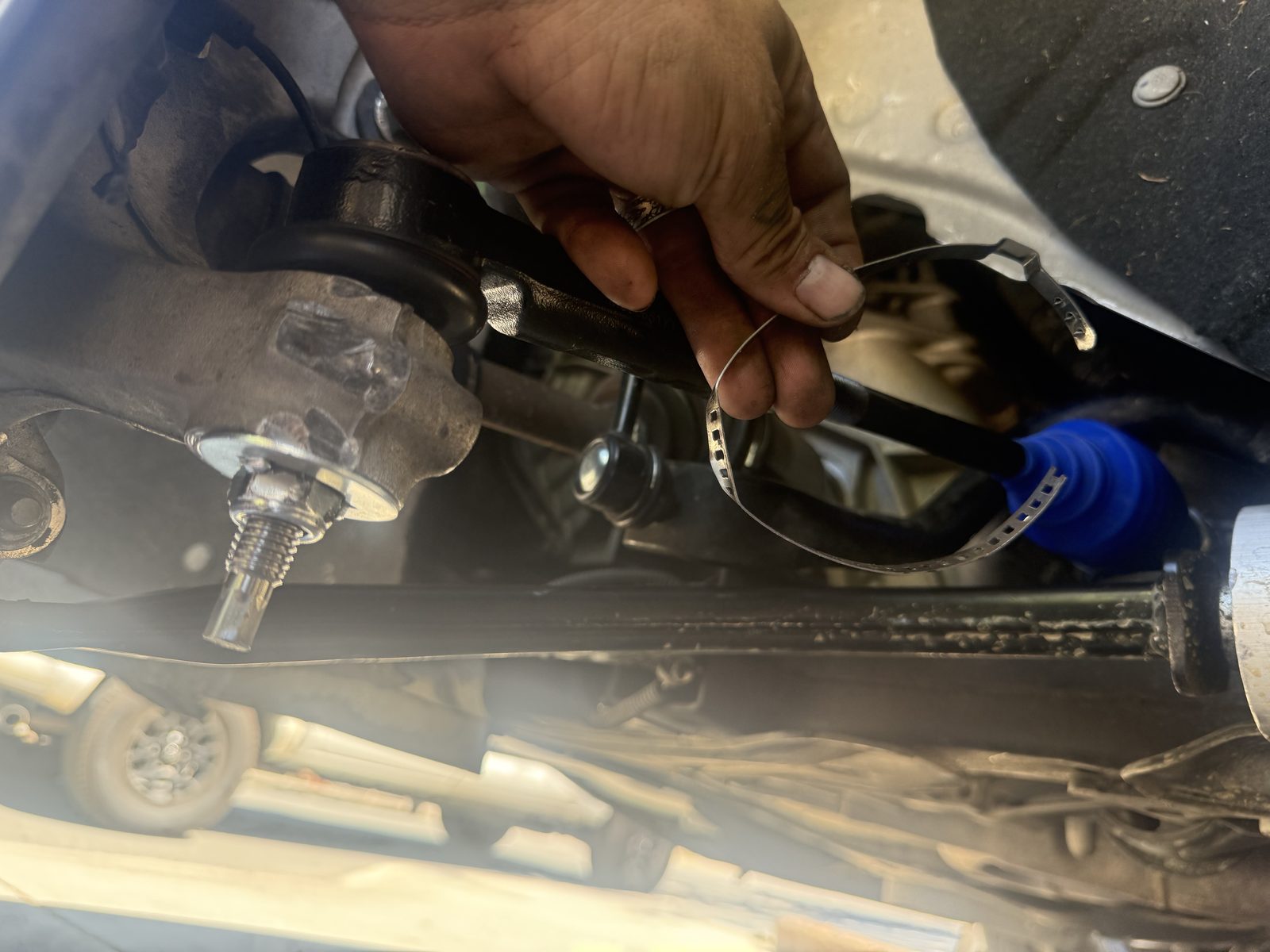
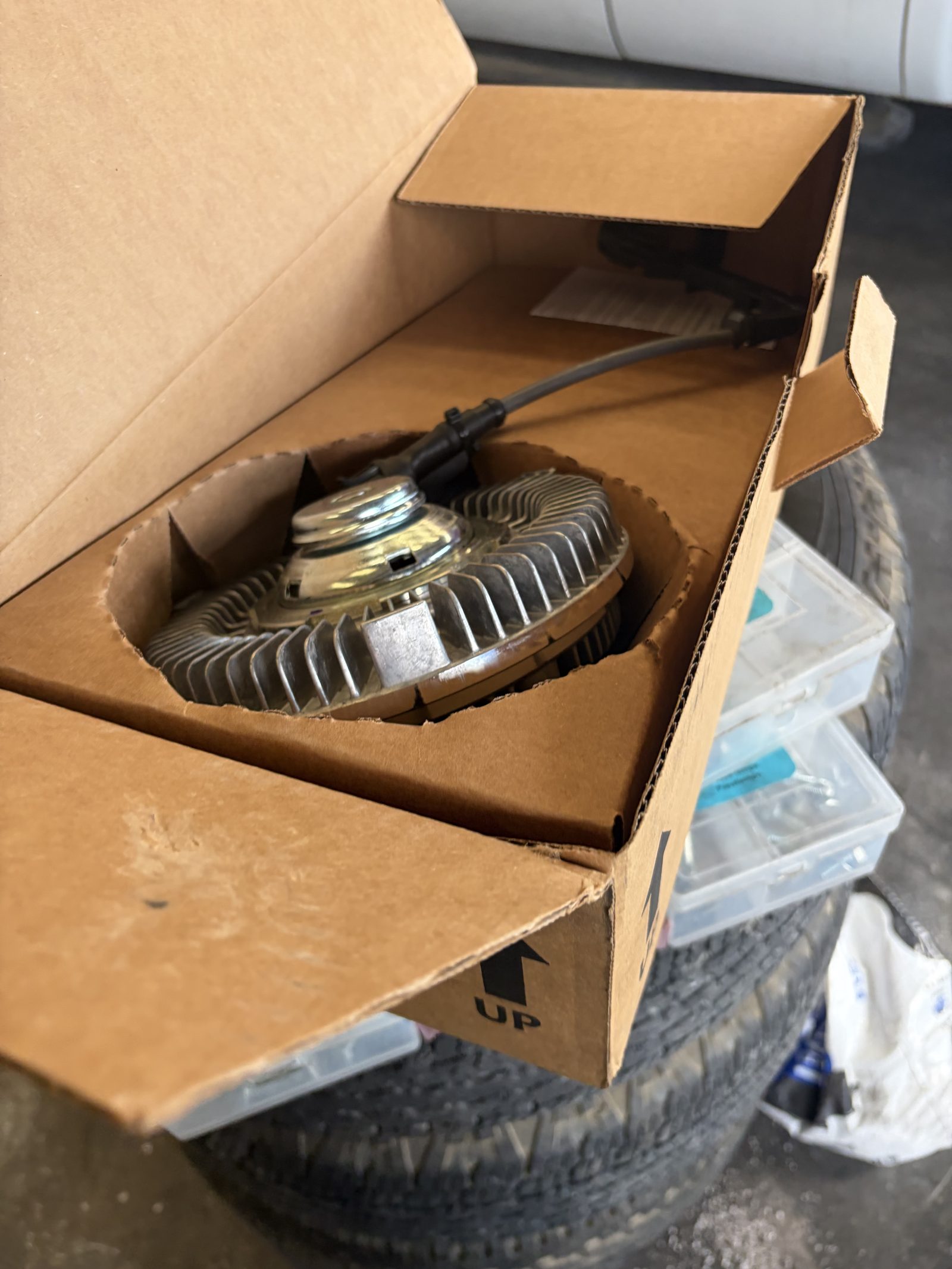
The size of the job really comes down to where the failure sits in the system. A blown fuse or a bad relay is a quick fix once it is found, since the part itself is cheap and easy to reach. A heater core buried behind the dash is the opposite story. The labor adds up fast because of how much trim, ductwork, and sometimes the whole dashboard has to come apart just to get to it. A compressor replacement on the A/C side is another bigger job, and it rarely stops at just the compressor. We often need to replace the accumulator or drier and flush the lines at the same time, because metal debris from a failed compressor can circulate through the system and wreck a brand new one if it is not cleaned out first. We will tell you exactly what kind of job you are looking at once we get eyes on the car.
A refrigerant leak never fixes itself and never stays the same size. It gets worse over time as the leak point wears further, which means less cooling now and a bigger repair later if it is ignored. A failing heater core carries its own risk too. When the core itself develops a leak, coolant can end up draining into the cabin instead of staying in the cooling system, leaving a sweet smell and a damp or foggy windshield that will not clear. That is not something you want to be driving around with, especially with kids or pets in the back seat breathing it in. Catching either problem early, while it is still a small repair, beats waiting until you are stuck with no defrost in freezing weather or no cool air during a hot stretch of summer.
Heating and A/C trouble shows up in a handful of common ways. Air blowing but never getting hot or cold points toward the heater core or the refrigerant charge. Air that only comes out on one or two fan speeds usually points to the blower motor resistor. Air blowing from the wrong vents, like defrost instead of the floor, usually means a stuck blend door or a vacuum or electrical problem controlling it. A musty smell through the vents can mean a clogged cabin air filter or moisture sitting somewhere it should not be. None of these are symptoms to just live with, since most of them get louder, smellier, or more expensive the longer they sit. Paying attention to exactly what the system is doing, and when, gives us a head start before we even run the first test.
We work on heating and A/C systems for drivers around Florence, Elsmere, Union, Erlanger, Crestview Hills, Edgewood, Lakeside Park, and Villa Hills. Whether it is a quick blown fuse or a heater core job that means taking apart the dash, we test first so the repair actually matches the problem instead of guessing and hoping. If your defrost is weak going into cold weather, or your A/C is blowing warm on a hot afternoon, it is worth getting looked at before the small problem turns into a bigger one. Call us at 859-692-3981 to talk through what your car is doing and get it checked out.
What to Tell Us When You Call
- Year, make, and model of your car
- Whether it is the heat, the A/C, or both acting up
- Any smells, noises, or fog on the windows
- Whether the air blows at all or just will not change temperature

 Supercanic